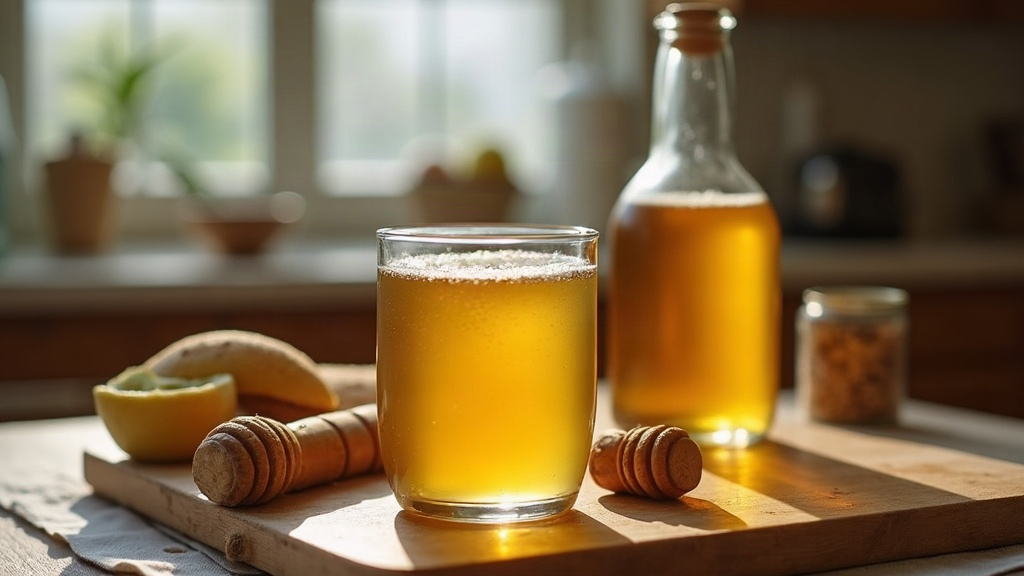
Long before glucose meters and food labels, people closed their meals with small, deliberate rituals — a warm cup, a spoonful of something sweet, a pause before returning to the day. This is a look at where Biblical drink (oil)/ Honey blend came from, how it fit into everyday eating, and what a mindful after-meal habit can look like now — always alongside, never instead of, the guidance of the healthcare provider who already knows your history.
Ask anyone who pays attention to how they feel after eating, and the day rarely looks like the neat diagrams in a pamphlet. It looks more like this: a slow start, a stretch of steadiness, and then a series of small, private negotiations with food that repeat themselves, meal after meal, without much fanfare.
Some mornings the body seems to lag a step behind the alarm clock — a heaviness that coffee only half answers, and a sense that the day is starting on borrowed energy rather than a full tank.
Early afternoon often brings the same familiar dip: focus drifting, eyelids heavier, the desk chair suddenly more comfortable than it should be, just an hour or two after a meal that felt perfectly normal at the time.
Standing in front of the bread, the pasta, the fruit — and quietly running through the same mental checklist again, unsure whether today's choice is the 'right' one or just another guess dressed up as a decision.
Three meals a day, seven days a week, adds up to a lot of decisions — and for people paying close attention to how their body responds to food, each one can start to feel less like eating and more like an ongoing calculation.
Some ideas about food get repeated so often they start to sound like settled science, even when they were never quite accurate to begin with. A quick note before the list: none of this replaces a conversation with the healthcare provider who already knows your history — think of it as kitchen literacy, not medical advice.
All carbohydrates behave the same way on the plate.
Carbohydrates vary widely depending on their source, fiber content, and what they’re eaten alongside — a plain statement about food chemistry, not a claim about anyone’s personal response.
Fruit should be avoided altogether because it’s ‘basically sugar.’
Whole fruit comes packaged with fiber, water, and other nutrients that set it apart from refined sugar — a distinction long recognized in traditional diets across many cultures.
There’s a special category of ‘diabetic food’ that’s fundamentally different from regular food.
Most eating guidance for people watching their blood sugar draws from the same balanced-plate principles recommended for everyone — portion, variety, and pacing matter more than a special label on the package.
None of this is about a strict protocol. It’s closer to a rhythm — three small habits that shape how a meal unfolds, borrowed loosely from the way meals were once eaten more slowly and with more intention.
Many traditional eating patterns begin with vegetables or protein before moving to starches — an order of operations more than a rule, and one worth discussing with a nutrition-minded professional before adopting it as a habit.
Eating slowly, chewing thoroughly, and putting the fork down between bites are old habits that modern schedules have mostly erased — small adjustments that change the experience of a meal without changing what’s on it.
A short, unhurried walk after eating is a habit found across many cultures long before it had a wellness label attached to it. As with any change to daily routine, it’s worth mentioning to the healthcare provider who oversees your care, especially if any physical activity is currently restricted.
The pairing of oil and honey has a long presence in Mediterranean and Middle Eastern kitchens, where both ingredients carried more than nutritional weight — they were part of hospitality, ceremony, and the closing of a shared meal. Olive oil, pressed and stored for months, was drizzled over bread or stirred into warm drinks; honey, harvested and kept as a pantry staple, sweetened tea, bread, and simple desserts alike. References to oil and honey together appear in ancient texts as symbols of abundance and care, often served to guests as a gesture of welcome rather than as a remedy. Over centuries, versions of this pairing made their way into everyday cooking — a spoonful stirred into warm water or herbal tea after a meal, a small ritual to mark the end of eating rather than the start of it. Passed down through households, the practice was about closing a meal with intention, not about affecting anything happening inside the body.
What’s worth keeping from this history isn’t a claim about the ingredient — it’s the habit itself: a slow, deliberate pause at the end of a meal, the kind that easily gets skipped in a rushed modern day.
A pattern of feeling unusually drained after most meals, rather than just occasionally, is the kind of detail worth bringing up at your next appointment with the professional who follows your care.
Hunger that feels sharper, quieter, or simply different than it used to is worth describing to your healthcare provider rather than trying to interpret on your own.
A recurring mid-afternoon fog that interferes with work or focus is a pattern your doctor can help put into context alongside the rest of your health picture.
Noticeably increased thirst over several days, especially if it's new, is a detail your doctor should hear about directly rather than something to self-diagnose from an article.
Changes in how rested you feel upon waking can be connected to many everyday factors, and your healthcare provider is best positioned to help sort through which ones matter.
Any new or unusual physical discomfort after eating — however mild — deserves a conversation with your doctor rather than a guess about the cause.
These are individual experiences shared for illustrative purposes only. They describe personal habits and routines, not medical outcomes, and results or experiences will vary from person to person. Always consult your healthcare provider before changing your diet, exercise routine, or any prescribed treatment.
Biblical drink (oil)/ Honey blend belongs to a long history of after-meal habits — worth understanding for what it is, a tradition of the kitchen rather than a substitute for medical care. If you’re curious about the fuller story, take a closer look. And whatever you read, keep working with the healthcare provider who already knows your history before changing anything about your diet, routine, or treatment.
Advertising Disclosure: This page contains sponsored content and affiliate links. The operator of this site may receive compensation when you click on links or make a purchase through links contained on this page. This compensation may impact how and where products appear on this site. This is not an endorsement or recommendation by any government agency or medical body.
Content Disclaimer: This content is provided for educational and informational purposes only and has not been evaluated by the Food and Drug Administration. It is not intended to diagnose, treat, cure, or prevent any disease and is not a substitute for professional medical advice, diagnosis, or treatment. Always consult a qualified healthcare professional before making any changes to your diet, routine, exercise habits, or any prescribed treatment, including medication.
Results Disclaimer: Individual results and experiences vary. Any testimonials, stories, or examples shared on this page reflect personal opinions and experiences and are not a guarantee, promise, or representation of results that any person may achieve.
© 2026 · All Rights Reserved